
How to Get the Most Out of an MSK Ultrasound Bootcamp
Last updated
An MSK ultrasound bootcamp is an intense and highly rewarding learning experience. Whether it lasts two or four days, it is designed to immerse participants in musculoskeletal ultrasound through a combination of focused teaching and extensive hands-on practice.
Bootcamps are not only enjoyable and interactive—they are also demanding. During these days, participants learn a large amount of information in a short time and spend many hours practicing scanning techniques.
To make the most of this experience, preparation, active participation, and collaboration are key.
What Makes a Bootcamp Different?
Unlike traditional courses spread over weeks or months, a bootcamp compresses learning into a short, intensive period. This format has several advantages.
Participants are fully immersed in the subject, allowing them to:
- rapidly build scanning skills
- connect theory with practice
- receive continuous feedback from instructors
- practice repeatedly within a short timeframe
The intensity accelerates the learning process and often leads to major improvements in confidence and competence.
However, the intensity also means that participants need to be ready to stay focused and engaged throughout the course.
Expect a High Learning Pace
During an MSK ultrasound bootcamp, the days are usually packed with learning opportunities. A typical day may include:
- focused lectures or demonstrations
- live scanning demonstrations
- hands-on scanning sessions
- case discussions
- feedback from instructors
Participants often scan many different anatomical regions and practice repeatedly to improve probe handling and image interpretation.
Because of this fast pace, it is normal to feel that you are absorbing a lot of information in a short period of time. This is part of the design of the bootcamp.
Learning in Small Groups
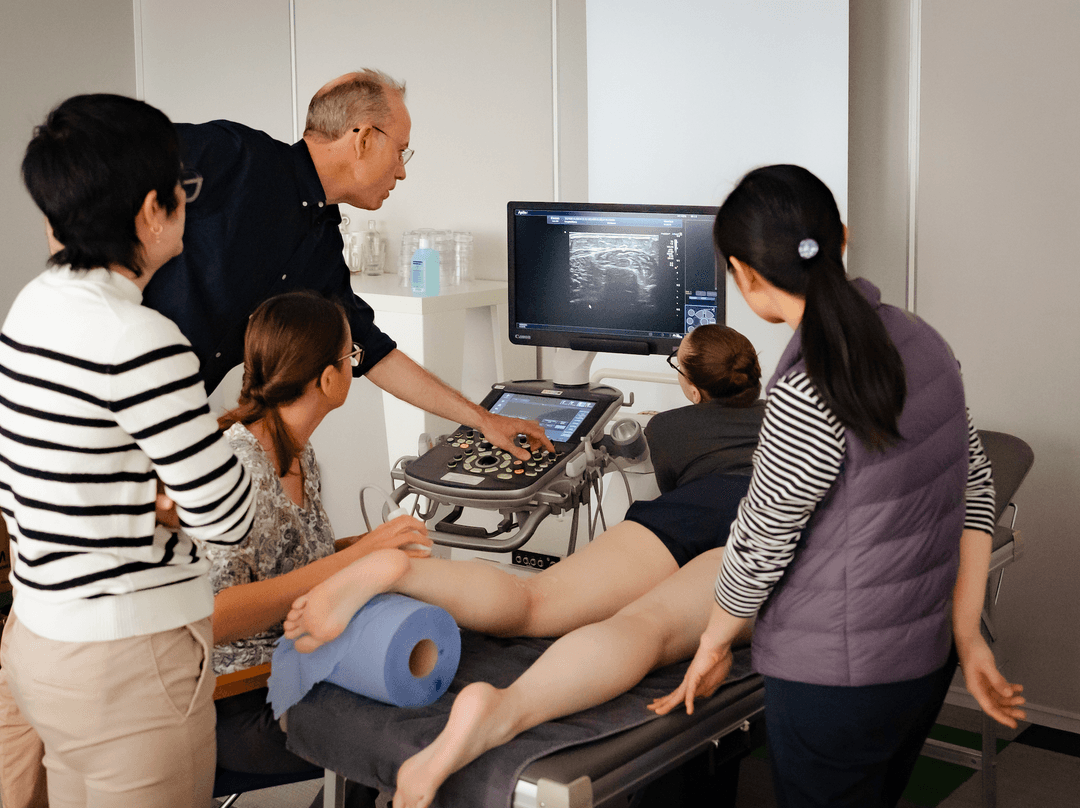
One of the strengths of MSK ultrasound bootcamps is the small group learning environment.
Participants typically work in small teams during practical sessions. This offers several advantages:
- more time with the ultrasound probe
- closer interaction with instructors
- the opportunity to observe others scanning
- learning from each other’s questions and mistakes
Small groups create an atmosphere that encourages discussion, experimentation, and feedback.
A Multidisciplinary Learning Environment
Another unique aspect of many MSK ultrasound bootcamps is the multidisciplinary background of the participants.
Groups often include professionals from different fields, such as:
- physicians
- physiotherapists
- sports medicine specialists
- rehabilitation professionals
- other healthcare providers involved in musculoskeletal care
This diversity enriches the learning experience.
Participants bring different perspectives, clinical experiences, and ways of approaching patient care. Sharing these viewpoints during discussions often leads to deeper understanding and new insights.
Practice, Practice, Practice
Ultrasound is a skill-based discipline. The only way to improve is through repeated scanning.
Bootcamps are designed to maximize hands-on practice. Participants typically scan many times during the course, which helps develop:
- probe control
- hand–eye coordination
- anatomical recognition
- image optimization
- systematic scanning approaches
Each repetition strengthens the learning process.
Be an Active Participant
To get the most out of a bootcamp, it is important to actively engage in the learning process.
This means:
- asking questions
- volunteering to scan
- discussing findings with peers
- learning from feedback
- observing how others scan
- scan other participants when ready with your group
- scan both right and left bodyparts
The more actively you participate, the more you will gain from the experience.
Accept That Learning Takes Time
Because bootcamps are intensive, participants sometimes feel overwhelmed by the amount of information presented.
This is completely normal.
The goal of a bootcamp is not to make you an expert in a few days. Instead, it aims to:
- build a strong foundation
- improve your scanning skills
- increase your confidence with ultrasound
Real mastery comes later through continued practice in your daily clinical environment.
Continue Practicing After the Bootcamp
The real value of a bootcamp often becomes clear after the course, when participants start applying what they learned.
To maintain the momentum:
- practice regularly
- review course materials
- scan colleagues or volunteers
- integrate ultrasound into daily clinical work whenever possible
Consistency after the course helps transform newly learned skills into routine practice.
Conclusion
An MSK ultrasound bootcamp is an intensive and stimulating learning experience. Over two or four days, participants learn a great deal, practice extensively, and collaborate with colleagues from different professional backgrounds.
By staying engaged, practicing actively, and learning from both instructors and peers, participants can gain enormous value from the experience.
The bootcamp is not the end of the learning journey—it is the starting point for continued growth in musculoskeletal ultrasound skills.
Want to deepen your ultrasound skills?
Explore our hands-on and online courses in musculoskeletal ultrasound.